Controlled load applied
We use a resistive load bank to put real, measured demand on the generator so its performance under load can be observed rather than assumed.
A generator that starts isn’t the same as a generator that performs. Load bank testing applies a controlled electrical load so you find out whether your standby unit can actually carry real demand — before an outage does the testing for you.
Active emergency? Call 412-335-3994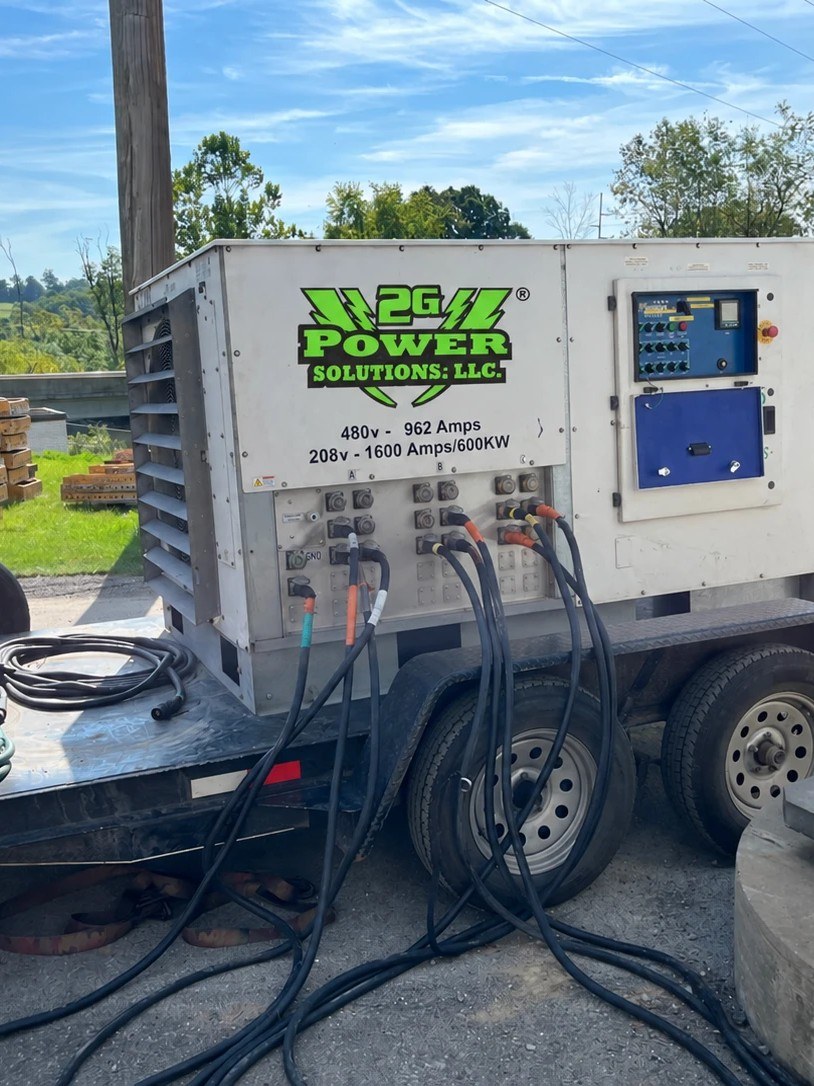
A load bank is a device that applies a controlled electrical load to a generator on demand. Instead of just confirming the engine starts and runs with no load, the test makes the generator produce real output and hold it — so you can see how it behaves when it’s actually working.
Running a generator under a genuine load is where problems surface. The test can reveal weaknesses in cooling, fuel delivery, and the exhaust system that a no-load start-up never touches — including the effects of wet stacking, the unburned-fuel buildup that comes from a diesel unit running lightly loaded for long stretches.
Many standby generators spend most of their lives lightly loaded or running with no load through brief exercise cycles. That keeps the battery charged and the oil moving, but it doesn’t prove the unit can do the one job it exists for. A load bank test does.
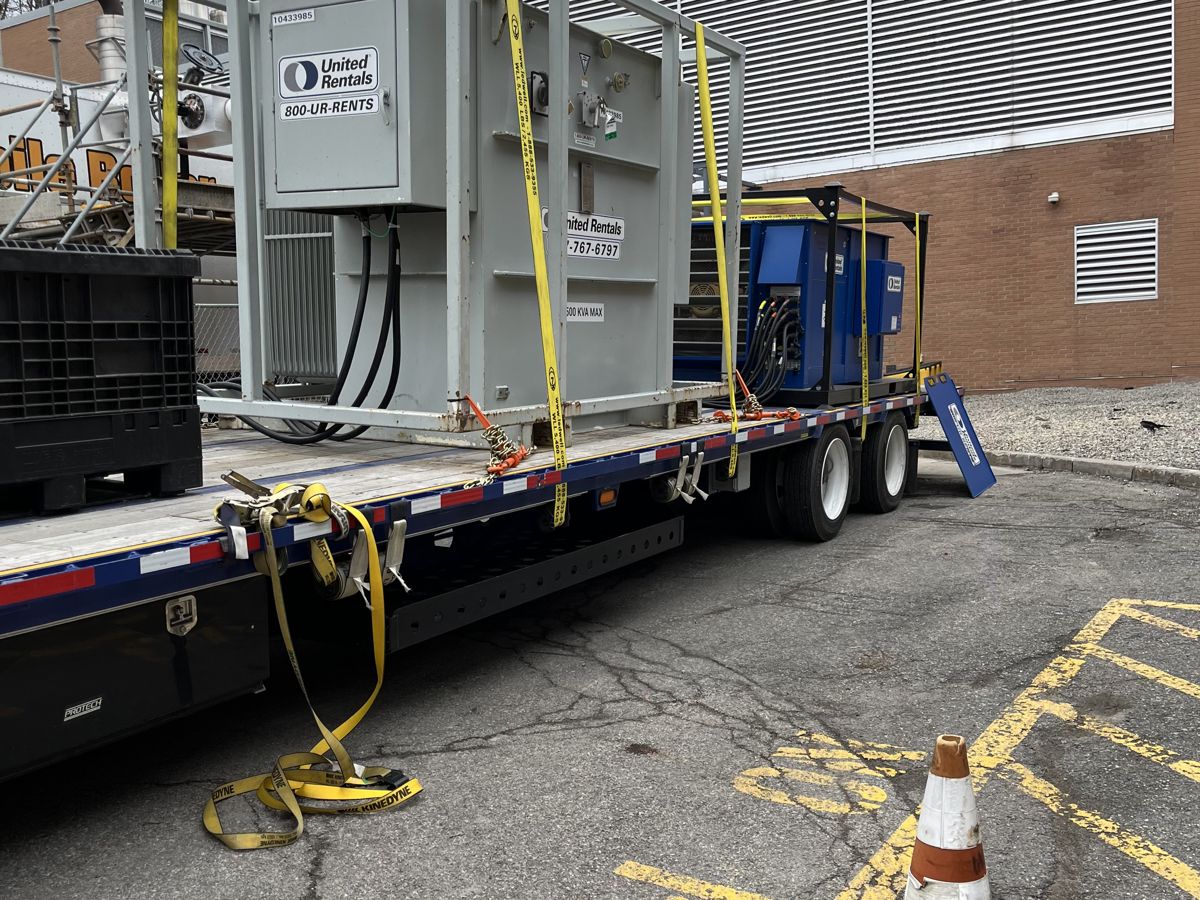 Load bank on a 2G job
We bring the load bank to your facility and put your standby generator under genuine, measured demand — the same kind of load it has to carry when the utility drops — so its performance is proven, not assumed.
We perform load bank testing on commercial and industrial standby generators across Western Pennsylvania — the systems that have to carry critical loads when the utility goes down.
We use a resistive load bank to put real, measured demand on the generator so its performance under load can be observed rather than assumed.
You get a clear record of how the unit behaved under load and anything we flagged — a useful baseline for the condition of your standby power.
Testing fits naturally alongside regular service, so issues found under load can be addressed. Planned maintenance →
The right interval depends on the unit, how it’s used, and how critical the load is — so it’s worth setting against your specific equipment rather than a generic rule. A load bank test is commonly worth considering after commissioning a new or reconditioned unit, on a periodic basis as part of ongoing service, and for generators that spend most of their time lightly loaded and are therefore prone to wet stacking.
If a load test turns up a fuel-quality problem, cleaning up the stored diesel through fuel polishing is often part of the fix. And if the utility fails before the next scheduled test and the generator doesn’t perform, that’s an emergency service call — the situation load testing is meant to help you avoid.
It’s a test where a load bank applies a controlled electrical load to your generator so it has to produce and hold real output. Rather than only confirming the engine starts, it shows whether the unit can carry demand and can surface cooling, fuel, and exhaust problems that a no-load start-up won’t reveal.
Starting proves the battery, starter, and basic fuel system work. It doesn’t prove the generator can carry your load. A unit can start and run cleanly with no load and still struggle under real demand because of a cooling, fuel-delivery, or wet-stacking issue — which is exactly what a load test is designed to expose.
Wet stacking is the buildup of unburned fuel and residue in a diesel engine’s exhaust that comes from running the generator lightly loaded for long periods, so it never reaches full operating temperature. Applying a proper load brings the engine up to temperature and helps expose and work against that buildup.
It depends on the generator, how it’s used, and how critical the load is, so we set the interval to your equipment rather than a one-size-fits-all schedule. Load testing is often worth considering after commissioning, on a periodic basis alongside regular service, and for units that spend most of their time lightly loaded.
2G performs load bank testing on commercial and industrial standby generators throughout Western Pennsylvania, including the Pittsburgh region and our home area around Butler. Not sure whether you’re in our service area? Reach out and we’ll let you know.
Tell us about your standby system and we’ll arrange load bank testing that fits it. Based in Butler, serving Western Pennsylvania.
Active emergency? Call 412-335-3994